Why Cold Chain Innovation matters
Temperature‑sensitive medical products must be kept between +2°C and +8°C from manufacturer to patient.
In many humanitarian contexts, this journey includes jungles, deserts, wetlands, insecurity, and unreliable power.
Current limitations in the field include:
- Strong dependency on stable electricity and freezers
- Limited autonomy
- Small payloads
- Heavy, bulky equipment unsuitable for true last‑mile transport
- Risk of freezing or overheating due to incorrect ice pack conditioning
Our vision
We aim to develop a safe, reliable, and solar-compatible mobile cold chain solution for humanitarian operations. Our ambition is to directly improve continuity of care by enabling safer, more autonomous cold chain transport (between 2 - 8 ºC) in remote or emergency contexts, where field conditions are extreme.
Cold Chain Scenarios
We identify 3 different use cases for our cold chain challenges.
-

Vaccination Campaigns
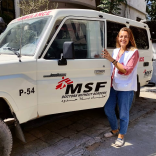
Vaccination campaigns, focus on 'last mile’: designing for those isolated communities that current cooling technology cannot reach because of its limited duration.
-
Laboratory Diagnostics
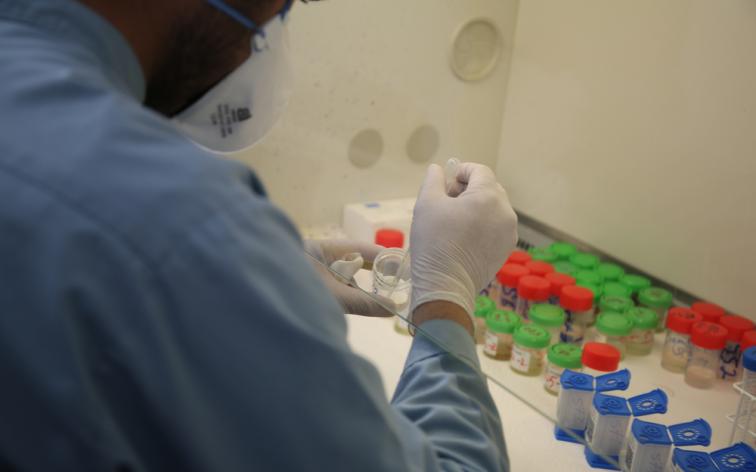
Laboratory Diagnostics for mobile outbreak activities: supporting the secure transport of temperature-sensitive reagents and biological samples through a robust, off-grid cold chain solution.
-
Temperature-sensitive medicines
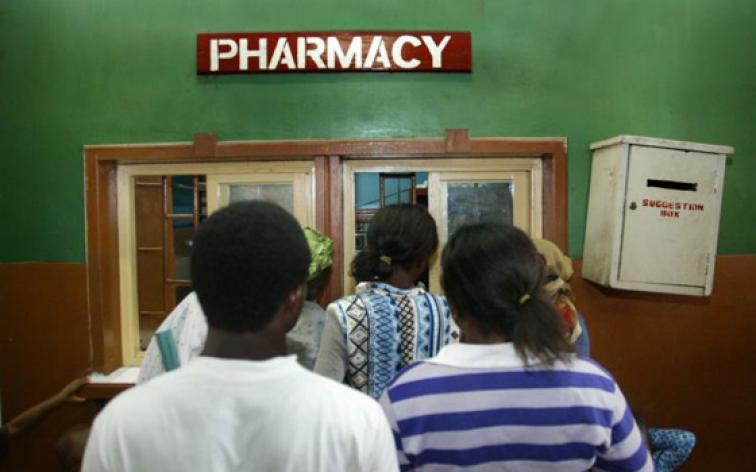
Essential medicines in our mobile clinics: guaranteeing passive cold chain as the backbone of the life-saving care to vulnerable communities.


The project at a glance
Four core elements that summarize the project:
-
Timeline
Oct 2025 – Oct 2027
Partner
Elisava School of Design and Engineering in Barcelona
Key principle
Field co-creation through human-centered design
The key needs
The user needs and requirements are gathered paying carefull attention to involving and consulting the right stakeholders. A few of the user needs are higlighted below.
-
Sufficient internal volume
Internal capacity allowing the transport of large quantities
Assisted autonomy
Autonomy in 43°C environment to support multi-day campaigns
Off-grid power supply
Using solar energy in remote areas
Ergonomity
Controlled weight for field ergonomity for last-mile delivery
User experience
Intuitive use and easy maintenance
Two‑component concept
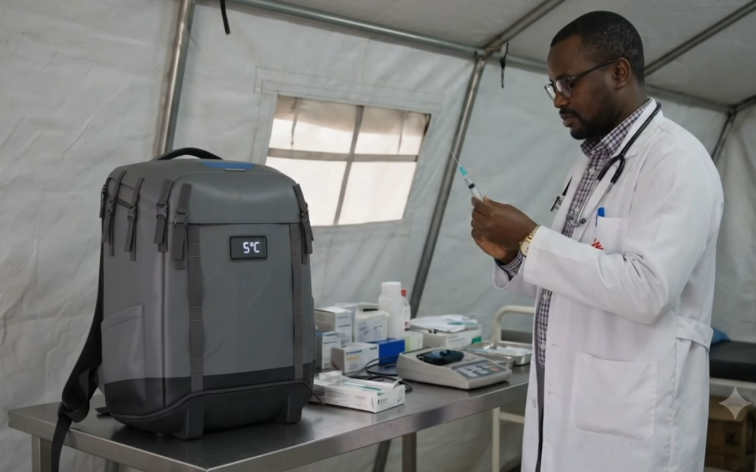
A separation between passive backpack and mobile charger allows lighter transport while improving energy access in the field.
-
Backpack
A low-weight ergonomic backpack maintains +2°C to +8°C during transport.
-
Charging system
The mobile charger captures and stores energy, including AC, DC and solar power.
-
Expected benefits
- Benefits for patients: safer vaccines and diagnostics, faster outbreak response, and better access in remote areas
- Benefits for staff: less complexity and easier to transport
- Benefits for Programs; fewer cold chain breakdown, lower logistics and operational costs, and more resilient operations in remote contexts
-
-
How it started
- 2023 - 2024: MSF partners with Elisava Barcelona School of Design and Engineering and builds together a first prototype.
- 2024 - 2025: the initial prototype undergoes rigorous testing to identify both its strengths and areas for further improvement.
- October 2025: MSF launches a self-funded project to redesign and develop a new prototype, and define a pathway for its transition into the humanitarian market.
-
-
Core objectives
This project focuses on validation and readiness for scale, not on immediate mass production or commercial rollout.
- Finalize the design of a safe, reliable, mobile cold chain solution
- Validate performance through field testing in multiple contexts and use cases
- Develop a clear roadmap for future implementation and scale‑up
-
-
Where we are now
- Current status: The project is in active development, refining the design and technology of the next‑generation mobile cold chain solution.
- Next milestone: Presentation of first prototype in October 2026
- Next steps: Extensive in-vitro testing in simulated environment starting from October 2026, followed by field testing in multiple contexts from 2027 onwards.
-
Collaboration & partnerships
Cold Chain Innovation is a collaborative project. We are interested in connecting with NGOs facing similar cold chain challenges, innovation partners interested in humanitarian applications, and manufacturers for support in future industrialization pathways.
Curious about our progress?
Interested in collaborating or learning more?